
DISCOVER PALMA
Palma, capital of the Balearic Islands, is one of the most fascinating destinations in the Mediterranean. Located in a natural bay between the sea and the Tramuntana mountains, it offers a unique combination of history, culture, architecture and Mediterranean life. With an area of about 210 km² and a population that exceeds 400,000 inhabitants, it is the most populated municipality of the archipelago and the cultural and economic heart of the island.
To explore Palma is to immerse yourself in a city that breathes centuries of history and modernity in every corner. From the alleys of the historic center to its wide promenades, the city invites you to let yourself go without a map, letting yourself be surprised by Gothic facades, hidden patios, squares full of life and charming cafes.
If you are wondering what to see in Palma, this guide will take you to the essential places that cannot be missed on your visit.
WHAT TO SEE IN PALMA
Almudaina Palace
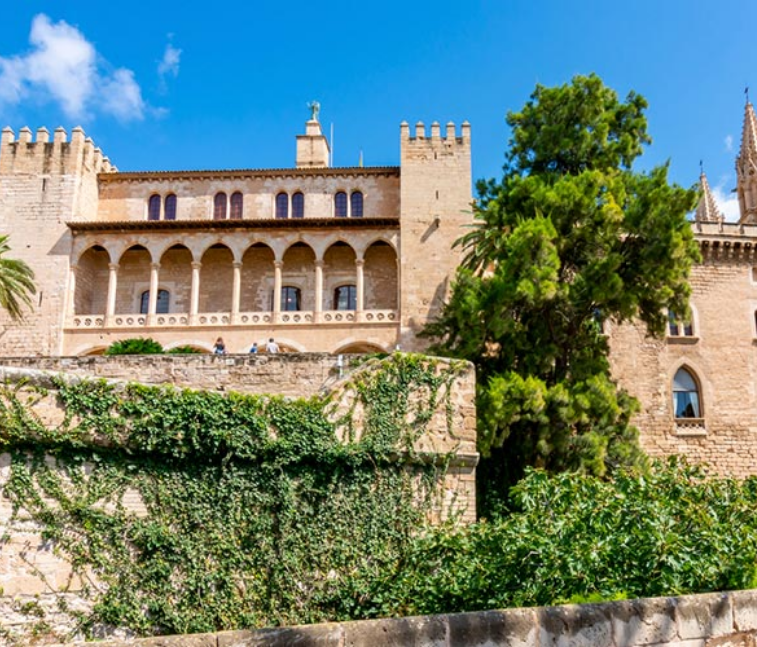
In front of the cathedral stands the Almudaina Palace, an old fortress of Muslim origin transformed into a royal residence after the Christian conquest in the 13th century. Today, it is one of the official residences of the King of Spain and can be partially visited.
Inside, Islamic and Gothic elements coexist, such as the elegant parade ground, the Santa Ana chapel and privileged views over the bay. Its silhouette next to the Seu forms one of the most iconic postcards of Palma.
S’Hort del Rei
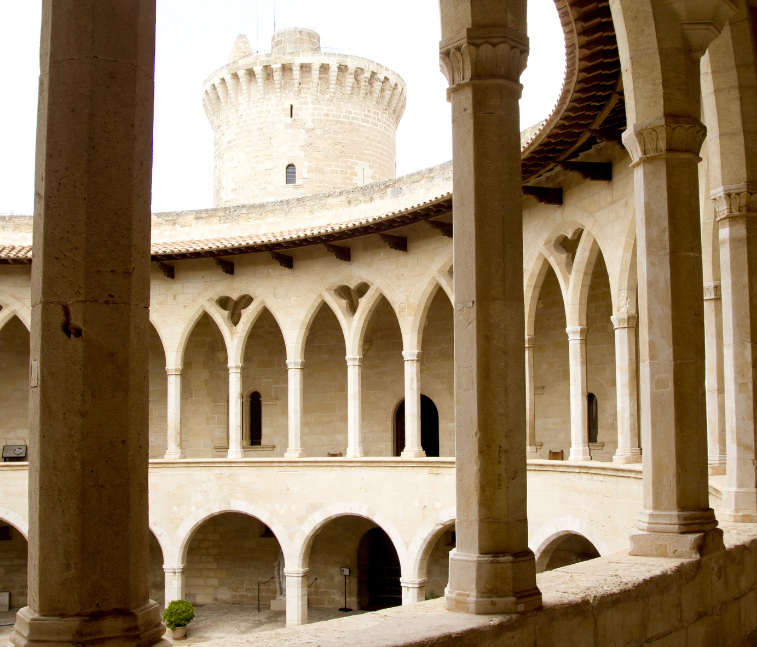
HISTORICAL CENTER
The historic center of Palma is one of the largest and best preserved in Europe. Walking through it is entering a network of cobbled streets that hold centuries of history: Gothic churches, stately courtyards, baroque palaces, old convents and jewels of Balearic modernism.
Among its most notable corners are the old Jewish quarter, the lively Plaza Mayor, and a wide variety of artisan shops, art galleries, bookstores and cafes that keep the soul of the city alive.
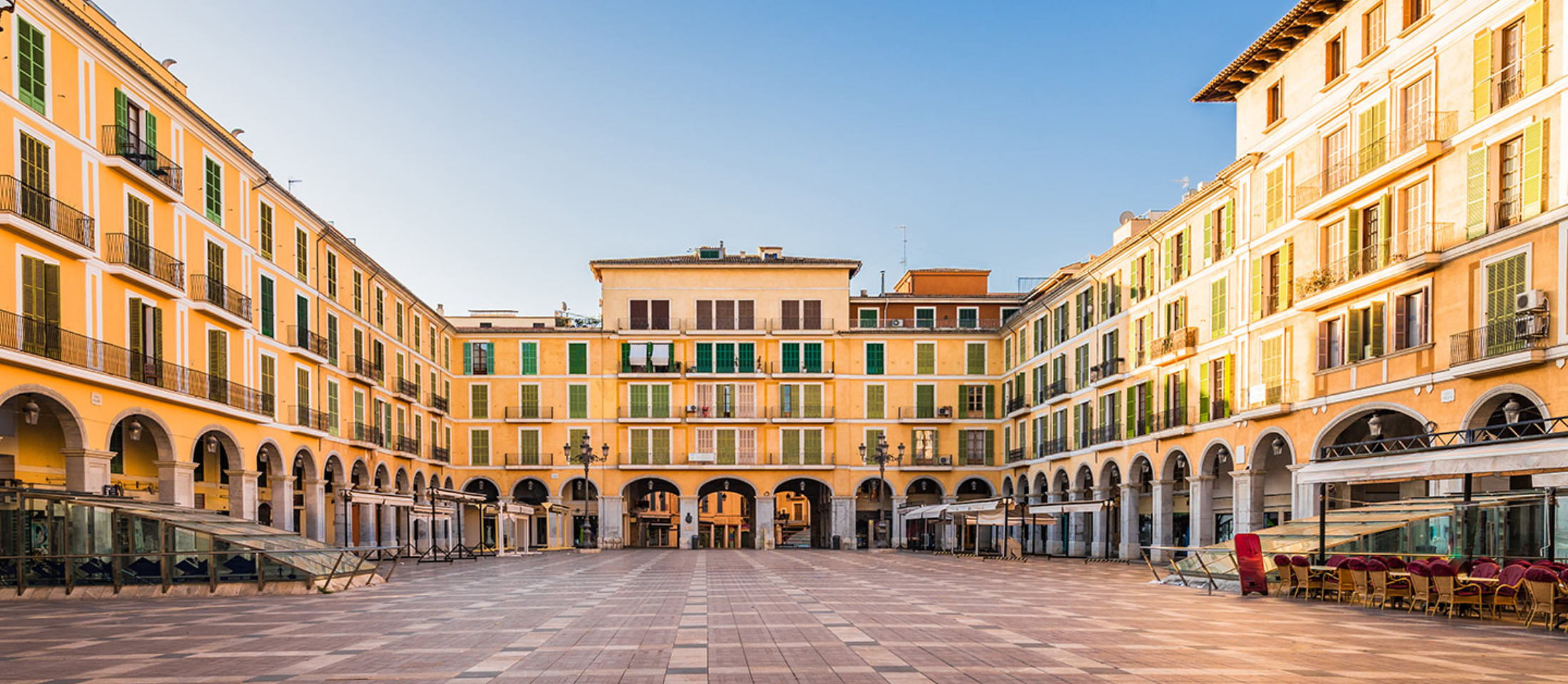
Saint Mary's Cathedral
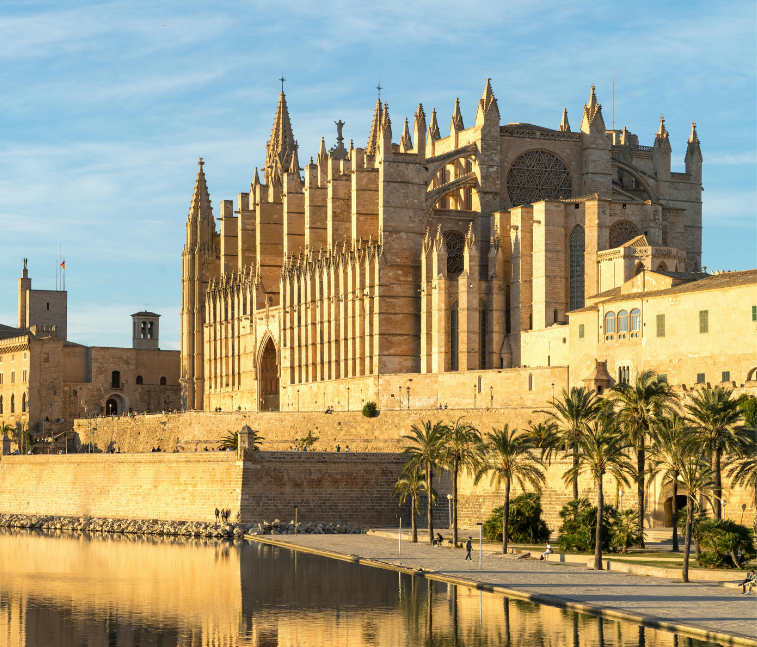
The Cathedral of Santa María de Palma, popularly known as La Seu, is the most emblematic monument of the city. Of Levantine Gothic style, it was built between the 13th and 17th centuries on the old mosque of Madina Mayurqa.
Its rose window, one of the largest in the Gothic world, creates a “figure of eight” effect of light twice a year. Inside, the renovations directed by Antoni Gaudí and a contemporary chapel decorated by Miquel Barceló stand out, which surprises with its originality and marine symbolism.
Spanish Town of Palma
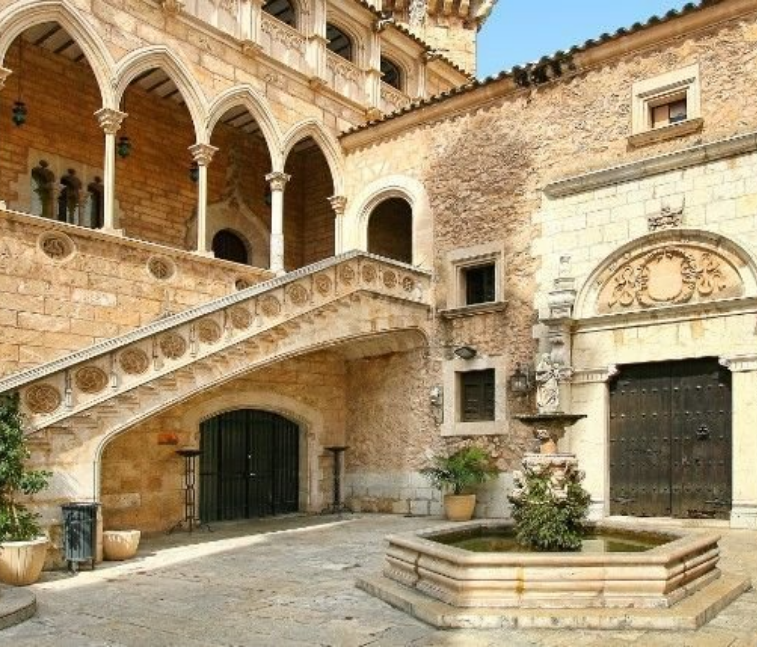
The Spanish Village of Palma is an open-air architectural museum that reproduces some of the most representative buildings in Spain. It was built in the 20th century as an example of art and popular culture.
Walking through its streets allows you to discover replicas of emblematic monuments, squares and typical patios. Inside, it hosts exhibitions, cultural activities and spaces for events. It stands out for its beauty, architectural variety and quiet atmosphere.
MARKETS IN PALMA
During the summer months, Palma is filled with open-air markets that invite you to stroll among craft stalls, local cuisine and unique products.
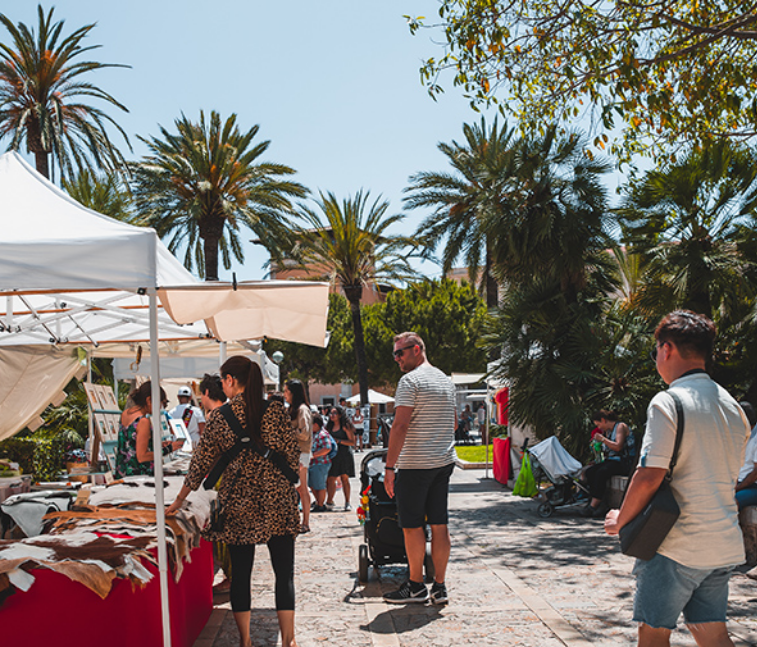
Paseo Sagrera Market
It is held in one of the most beautiful places in the city, next to the sea and with views of the main monuments. There you will find local crafts, jewelry, leather and decoration products.
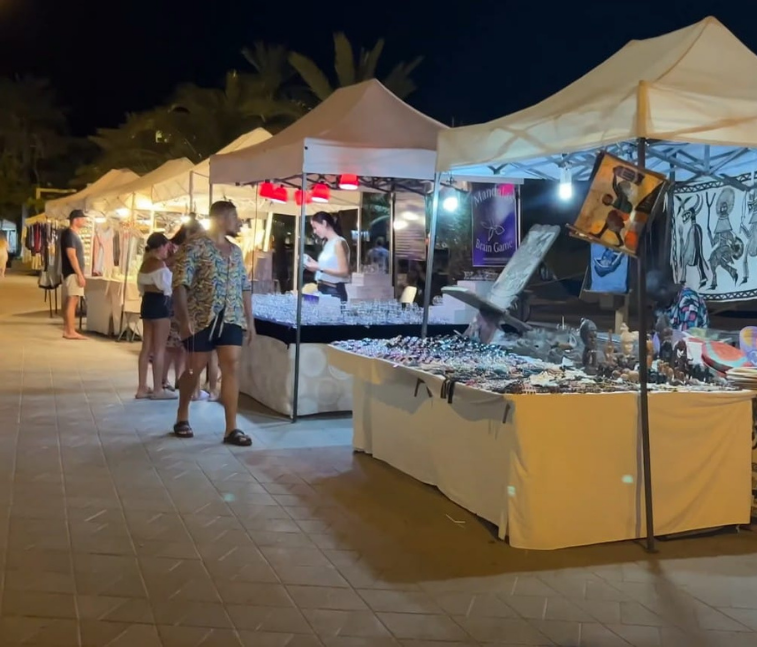
Night markets in summer
During the summer nights, some neighborhoods and squares host markets with music, tastings and crafts. A more relaxed and lively way to enjoy the city.
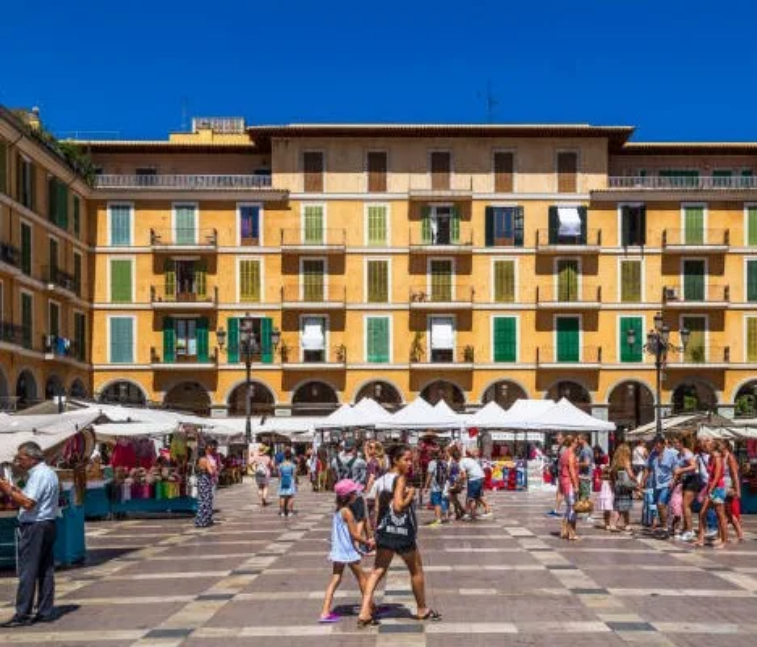
Plaza Mayor craft market
It is one of the best known and is celebrated almost all year round. Ideal to buy an authentic souvenir or enjoy a walk through the heart of the city.
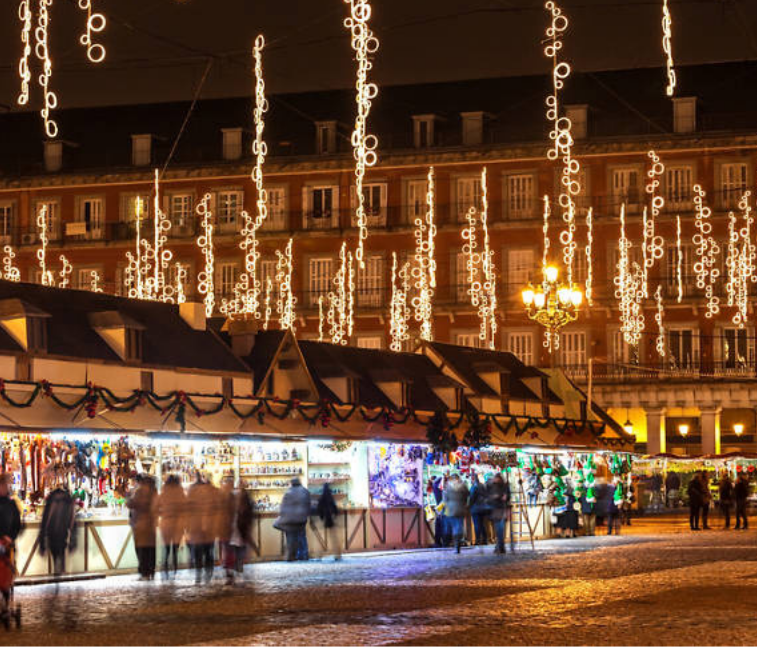
winter markets
Although activity is reduced, there are also interesting proposals such as the Plaza Mayor Christmas market, ideal for experiencing the spirit of the holidays in a historical setting.
SANTA CATHERINE
Santa Catalina is one of the corners with the most personality in Palma. Formerly a fishing neighborhood, today it combines tradition and modernity with a creative, multicultural and gastronomically vibrant atmosphere. Its narrow streets, colorful facades and houses with Majorcan shutters preserve the essence of the past, while its cultural and culinary offerings make it an essential meeting point.
The heart of the neighborhood is, without a doubt, the Santa Catalina Market. Here traditional fresh products - fish, fruit, meat, sausages and local sweets - are mixed with a varied and quality gastronomic proposal. In its stalls and bars you can try everything from a traditional tapa to oysters, sushi or fusion cuisine.
But Santa Catalina is much more than its market. Walking through its streets is to discover charming cafes, art galleries, author stores, independent bookstores and restaurants from all over the world. At night, the atmosphere transforms and fills with life, especially around Fàbrica and Annibal streets, where bars and terraces are concentrated with a relaxed and cosmopolitan atmosphere.
If you are looking for a local and authentic experience, come to Santa Catalina in the morning to discover its market and stay to eat on one of its terraces. You will take home a tasty and very Palma memory.
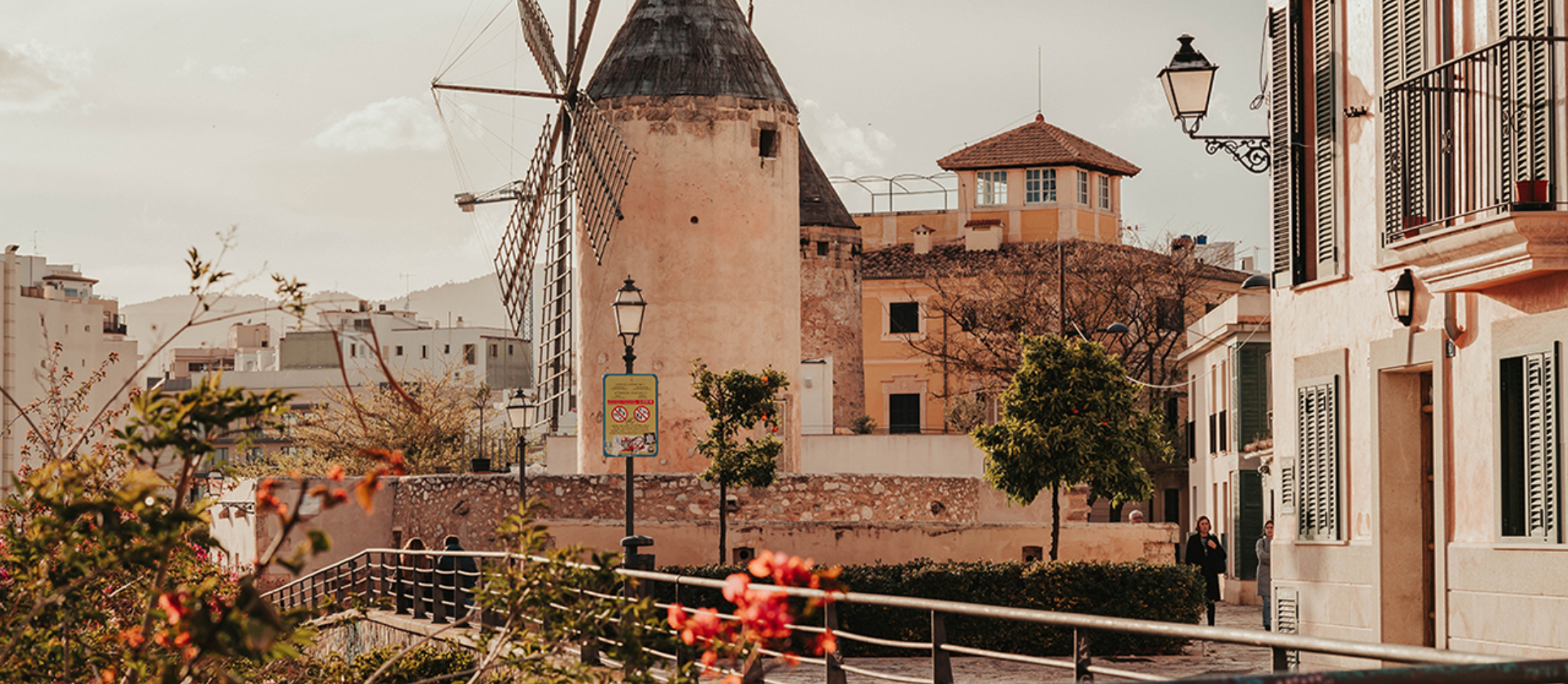
FAIRS, PARTIES THAT YOU CAN'T MISS
The palm pattern
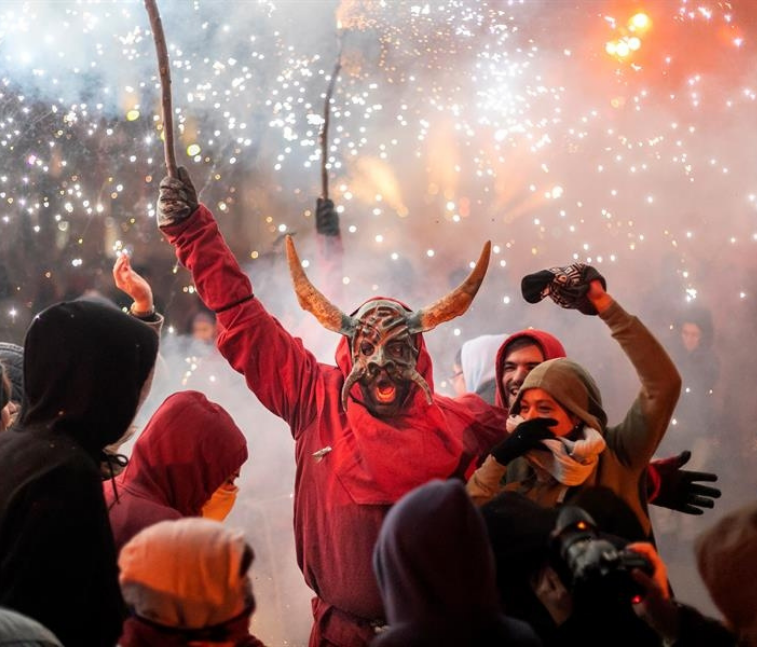
The festival of Sant Sebastià, patron saint of Palma, is celebrated every year in January and is one of the most emblematic festivals of the city. For several days, Palma is filled with cultural activities, open-air concerts, shows and foguerons, where citizens gather to grill food and share as a community. The night of January 19 is the most notable, with music in the squares and a unique festive atmosphere. This celebration combines tradition and modernity, and reflects the participatory spirit of the people of Palma.
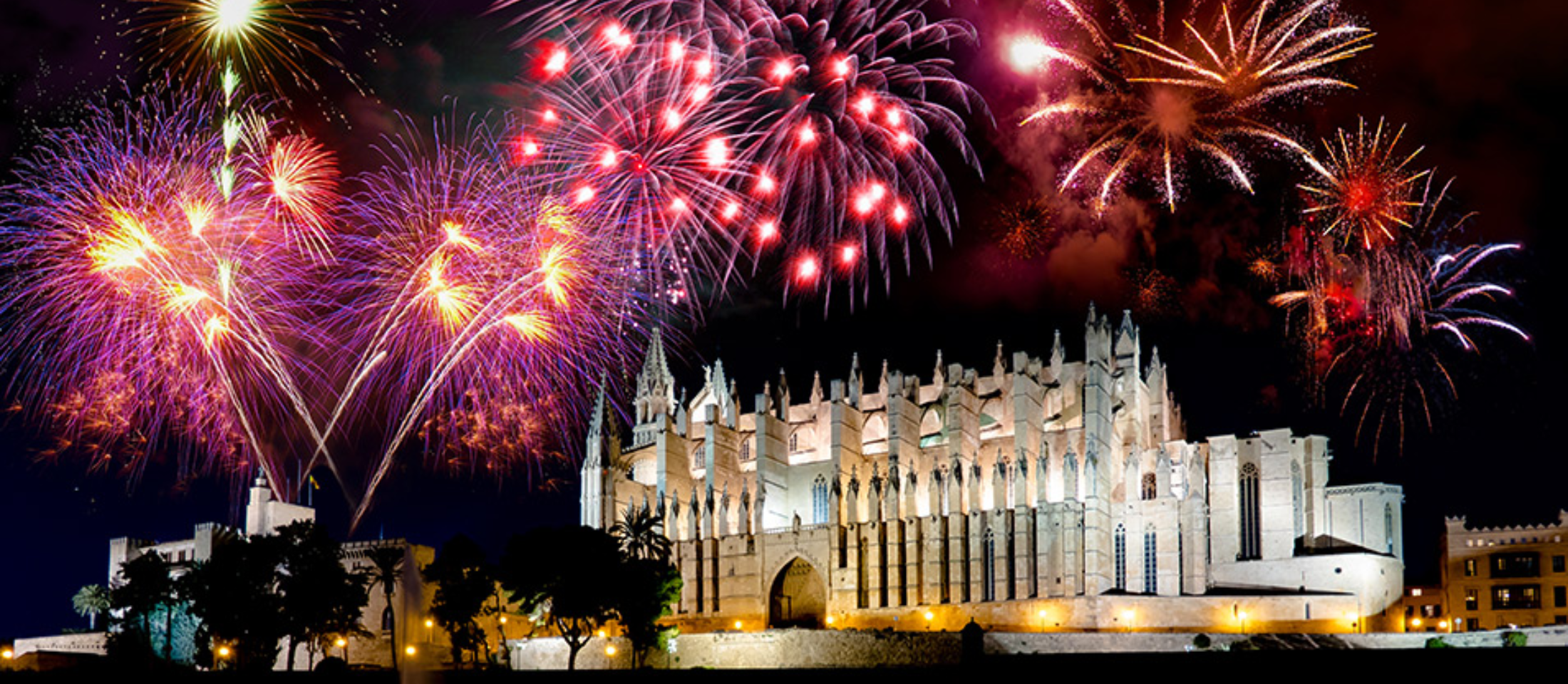
mediaval festival
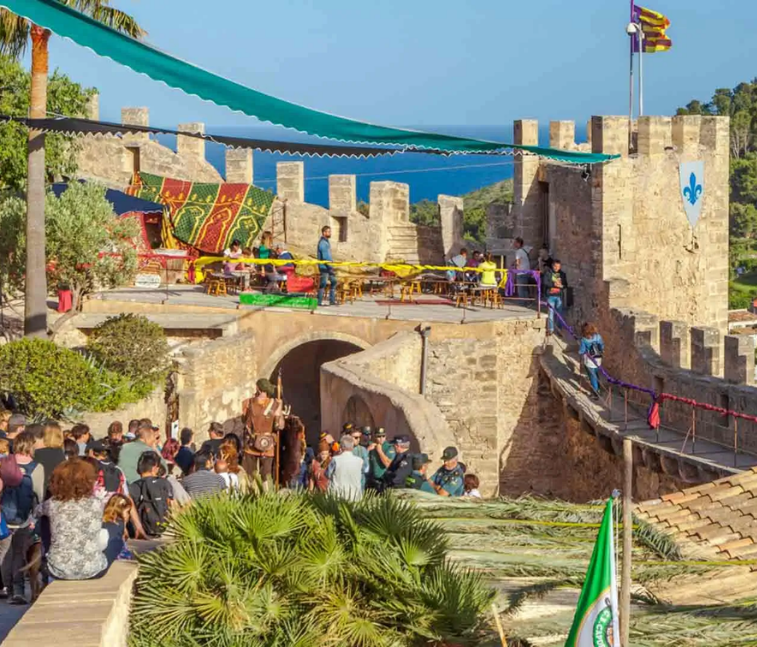
The Palma Medieval Fair is a cultural event that transports the city to medieval times with shows, markets and historical settings. It is usually celebrated in the historic center, where stalls selling crafts, gastronomy and traditional products are set up. There is no shortage of parades, musicians, jesters and knight combats that liven up the streets. It is a highly anticipated event for both residents and visitors, ideal for enjoying with the family and discovering trades and customs from the Middle Ages.
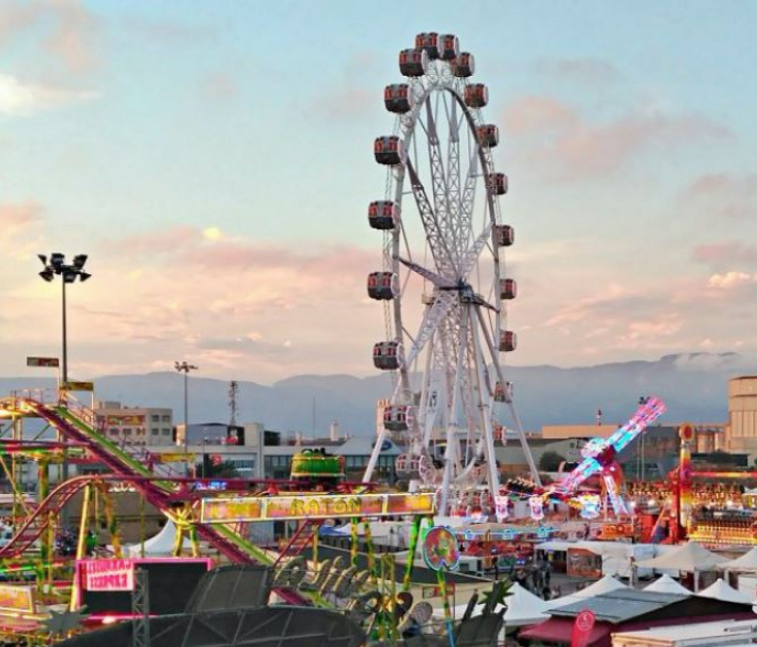
Fira Del Ram
The Fira del Ram is one of the most popular fairs in Palma and a long-awaited tradition for people of all ages. It is held between February and April on the outskirts of the city and offers attractions for all audiences, from roller coasters to children's games, as well as food stalls and typical sweets. With more than 100 attractions and activities, it is an ideal family leisure space to enjoy a holiday. The fair combines fun, gastronomy and atmosphere in a safe and welcoming environment.
Palma, a city to return to
Palma is not just a sun and beach destination. It is a vibrant city, with soul, that combines the best of the past with a contemporary look. Whether you visit it for the first time or return to rediscover it, it will always have something new to offer you.
OUR RECOMMENDED
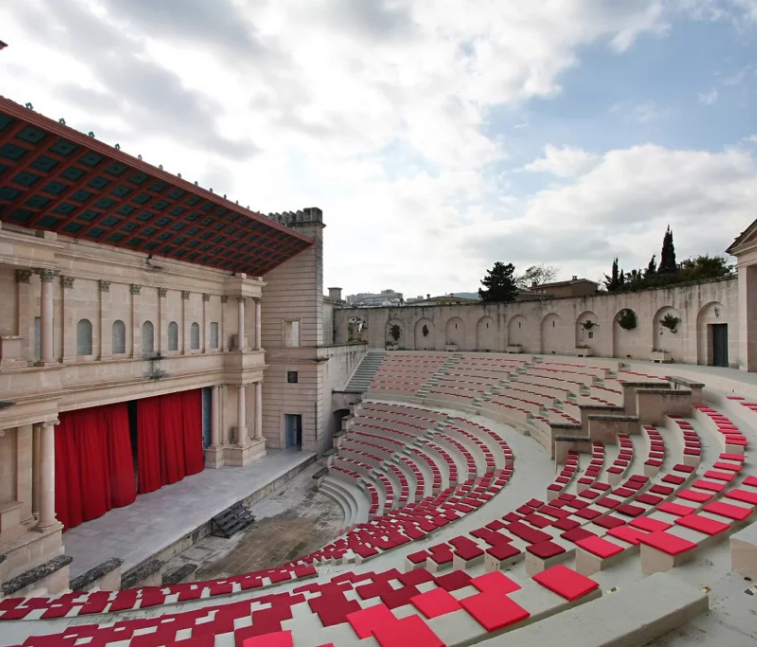
Pueblo Español Mallorca
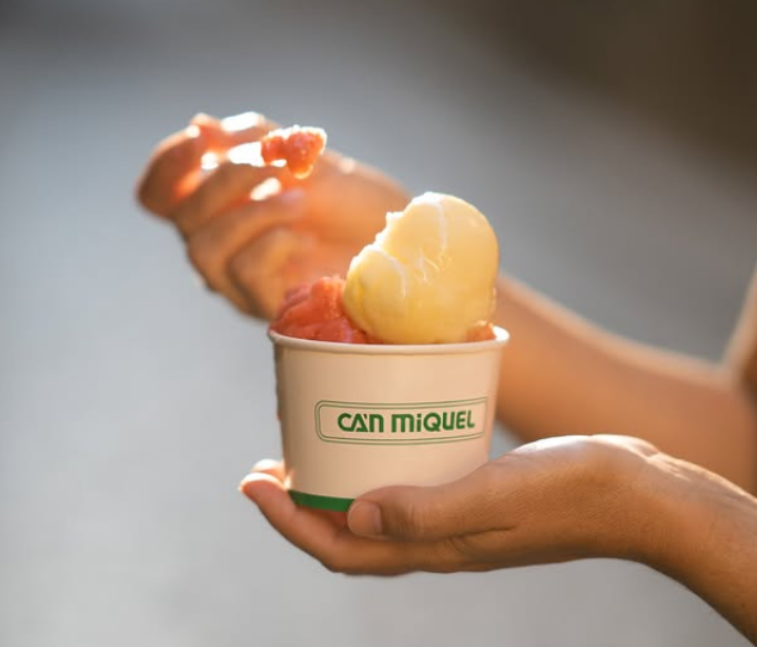
Heladería Ca’n Miquel
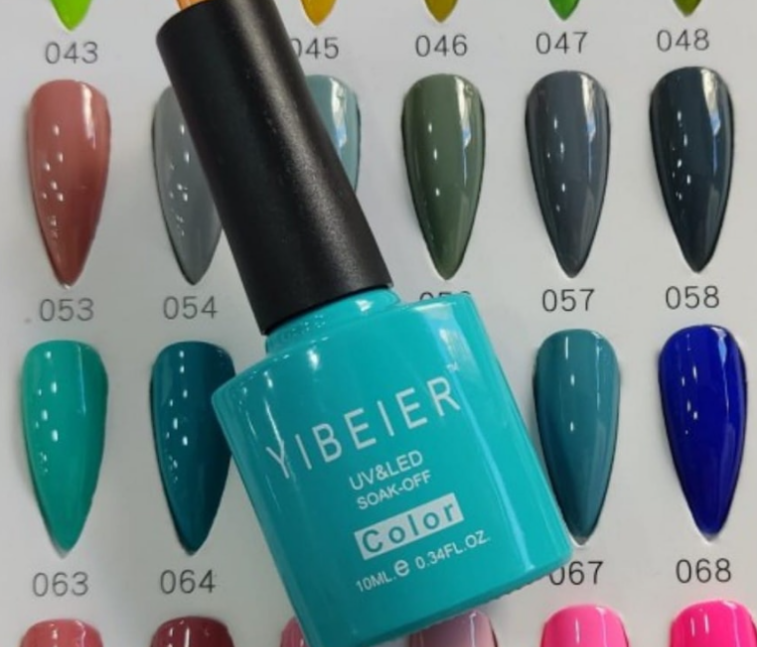
Yamei Cosmetics
Sex Center Palma
Trotamundos Mallorca
Viajes Parthenon